What is the difference between electric hoist and EOT crane?
An electric hoist and an EOT crane are both lifting devices used in industrial and construction applications, but they have some differences:
1、Basic functionality: An electric hoist is a device used for vertical lifting, whereas an EOT crane is a more comprehensive system used for lifting, transporting, and positioning heavy loads horizontally
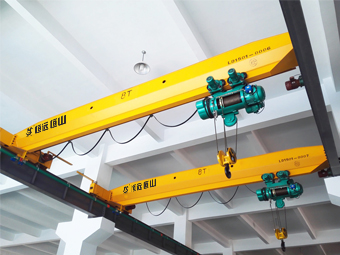
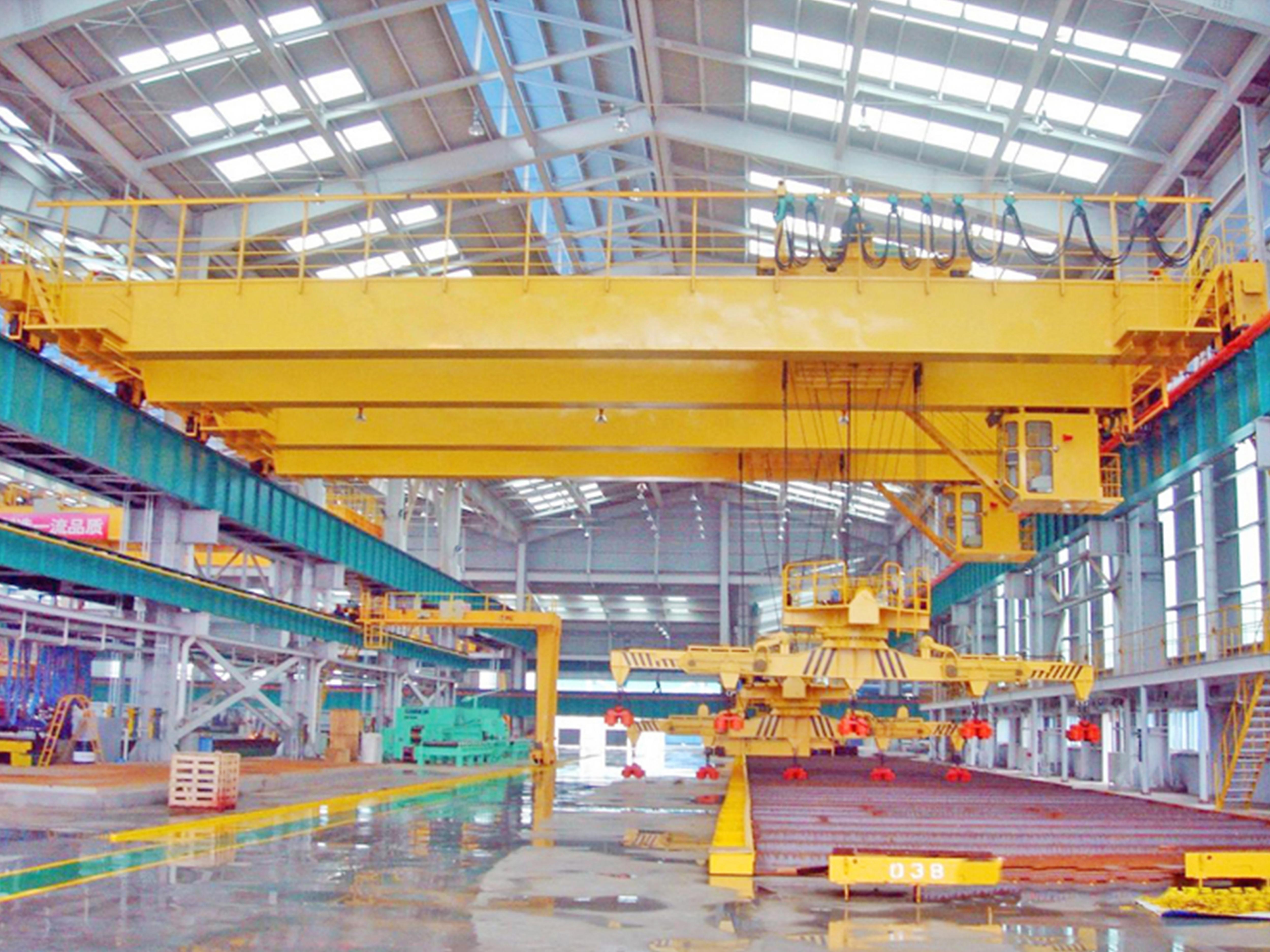
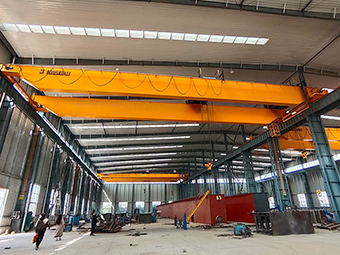
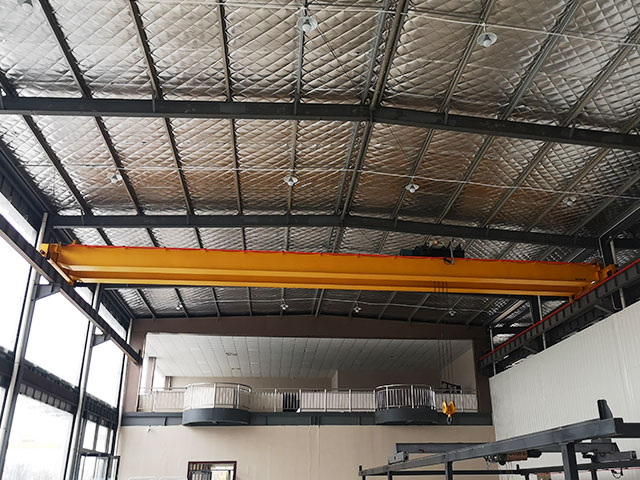
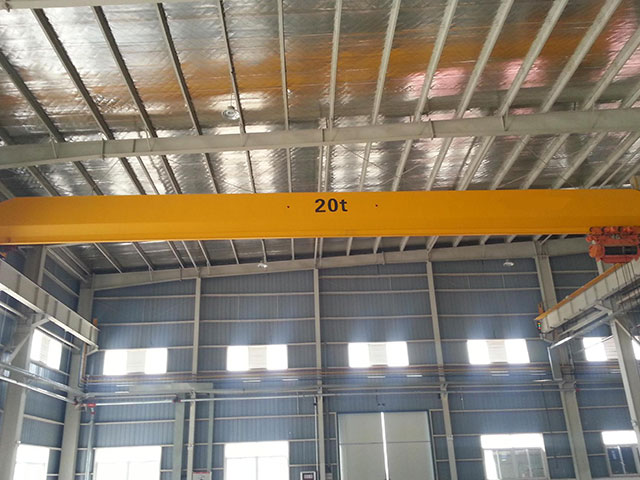
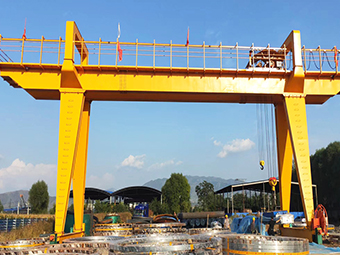
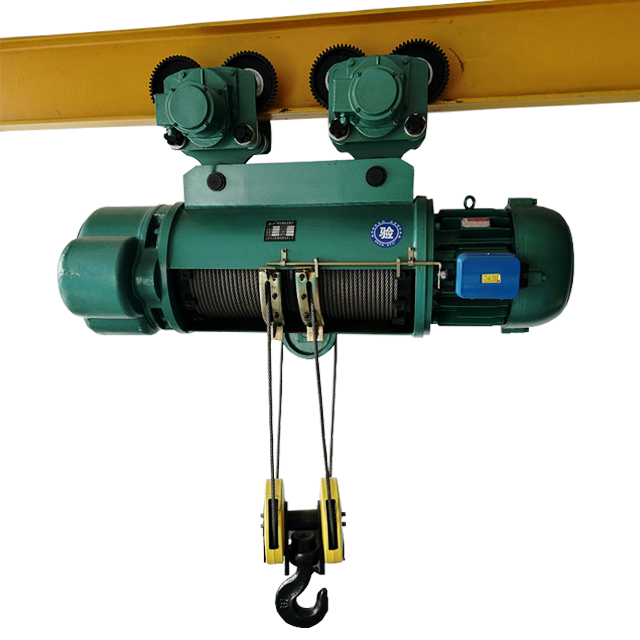
2、Structure and design: An electric hoist is a standalone lifting device that is typically attached to a fixed structure, such as a beam or a gantry. It consists of a motor, a lifting mechanism (chain or wire rope), and a control system. On the other hand, an EOT crane consists of a bridge or gantry structure that spans an area or a track mounted on a ceiling, supporting a trolley or crab that moves along the structure and lifts and moves loads.
3、Load capacity: Electric hoists are available in various load capacity ranges, typically up to around 10 tons. EOT cranes, on the other hand, are designed to handle heavier loads, ranging from a few tons to several hundred tons. 4、Range of movement: Electric hoists generally have a vertical lifting range, while EOT cranes have a much wider range of movement, including longitudinal movement along the tracks, horizontal movement along the bridge or gantry, and vertical lifting.
5、Versatility: While an electric hoist is primarily used for simple lifting tasks in a fixed location, an EOT crane offers more versatility and can be used in various settings. It can cover larger areas, transport loads across distances, and perform tasks like loading and unloading trucks or ships.
6、Cost: Generally, electric hoists are less expensive compared to EOT cranes due to their simpler design and functionality.
Ultimately, the choice between an electric hoist and an EOT crane depends on the specific lifting requirements, load capacity, range of movement, and budget of the application.
1、Basic functionality: An electric hoist is a device used for vertical lifting, whereas an EOT crane is a more comprehensive system used for lifting, transporting, and positioning heavy loads horizontally
2、Structure and design: An electric hoist is a standalone lifting device that is typically attached to a fixed structure, such as a beam or a gantry. It consists of a motor, a lifting mechanism (chain or wire rope), and a control system. On the other hand, an EOT crane consists of a bridge or gantry structure that spans an area or a track mounted on a ceiling, supporting a trolley or crab that moves along the structure and lifts and moves loads.
3、Load capacity: Electric hoists are available in various load capacity ranges, typically up to around 10 tons. EOT cranes, on the other hand, are designed to handle heavier loads, ranging from a few tons to several hundred tons. 4、Range of movement: Electric hoists generally have a vertical lifting range, while EOT cranes have a much wider range of movement, including longitudinal movement along the tracks, horizontal movement along the bridge or gantry, and vertical lifting.
5、Versatility: While an electric hoist is primarily used for simple lifting tasks in a fixed location, an EOT crane offers more versatility and can be used in various settings. It can cover larger areas, transport loads across distances, and perform tasks like loading and unloading trucks or ships.
6、Cost: Generally, electric hoists are less expensive compared to EOT cranes due to their simpler design and functionality.
Ultimately, the choice between an electric hoist and an EOT crane depends on the specific lifting requirements, load capacity, range of movement, and budget of the application.
.jpg)
related article
> What crane is used for girder launching?
> A set of electric hoists get ready
> A shipbuilding gantry crane has been successfully installed in Yangzhou, Jiangsu province.
> Customized QD Double Girder Bridge Crane for Nepalese Client
> The Congolese customer ordered three electric transfer cart and they have been completed.
> the 8 types of overhead cranes
> Two LH double-girder bridge cranes customized by French customers have been shipped.
> A Double Girder Overhead Crane to Bangladesh
.jpg)
.jpg)
.jpg)